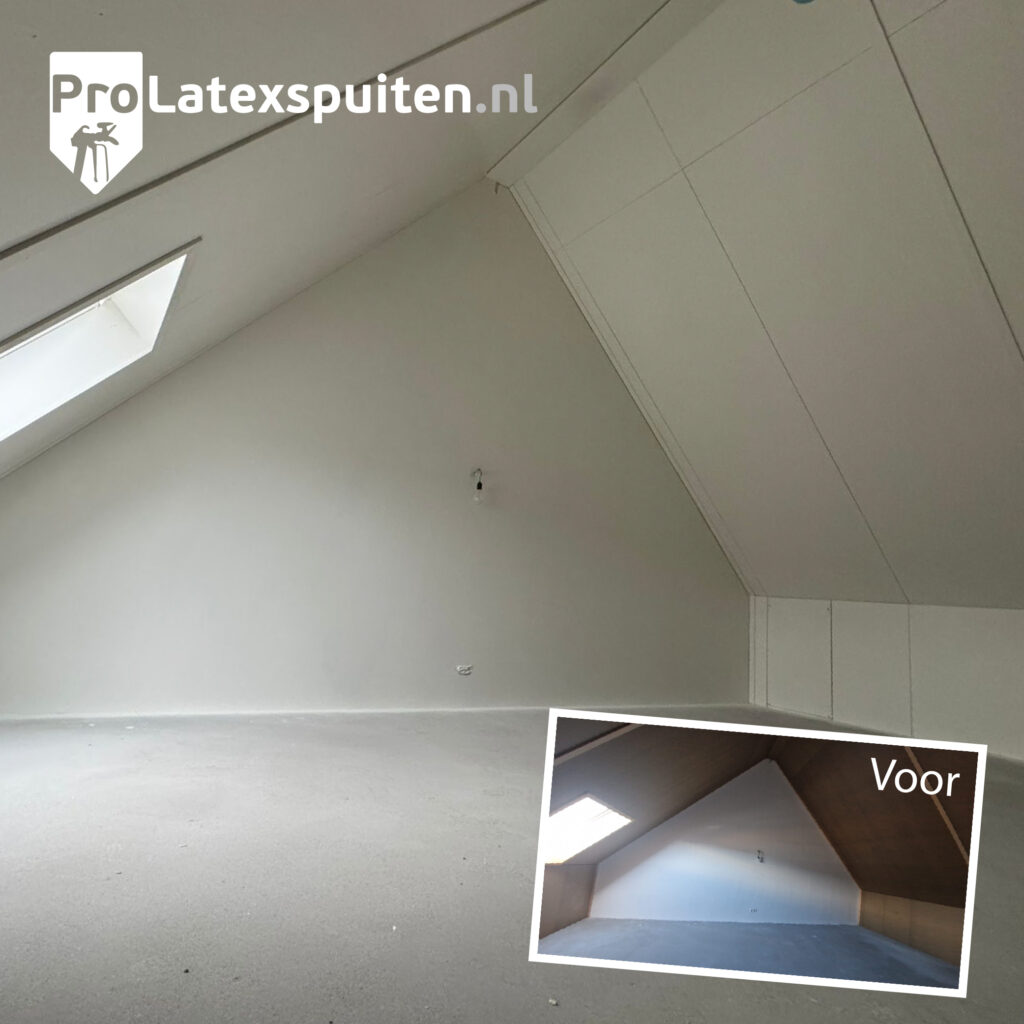
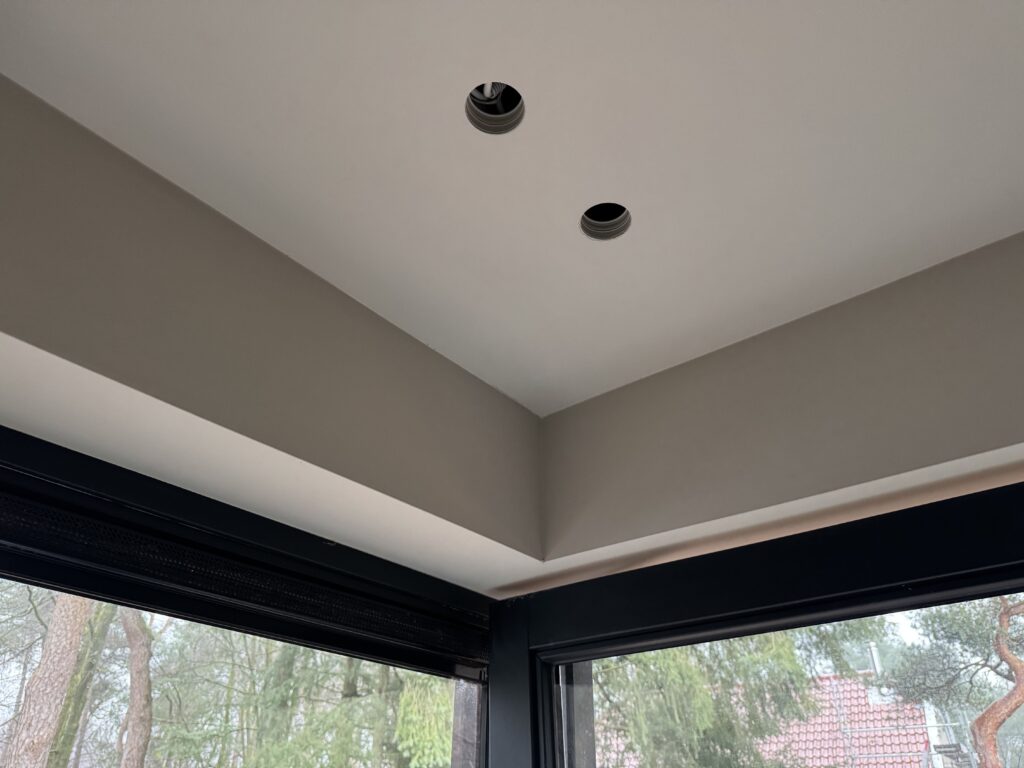
Spray painting is now a popular way to apply wall paint in construction and interior design. But where did this technique come from? And how did it develop into the process we know today? In this blog, we explore the history of wall spray painting, from the origins of latex paint to the modern spraying equipment that has transformed the process.
The origins of latex paint
Discover how we use this technique today for professional wall spray painting.
Latex paint, also known as water-based wall paint, was introduced in the 1940s. Synthetic polymers such as acrylic made it possible to develop paint that dried quickly, was easy to clean and released fewer harmful fumes. These qualities soon made latex paint popular with both professionals and DIY enthusiasts.
Although traditional painting methods, such as using a brush or roller, were effective, they had limitations in speed and finish. This encouraged innovation aimed at applying paint more efficiently and consistently.
The first spraying methods in the history of wall spray painting

The concept of spray painting emerged in the early 20th century, initially mainly for industrial use. The first paint spraying devices were developed around 1887 by Joseph Binks, an American inventor. He designed a device that atomised paint using air. Although originally intended for applying limewash to walls, the technique was later used for other types of paint.
As latex paint became popular in the 1940s and 1950s, existing spraying equipment had to be adapted for the new paint. Latex paint has a higher viscosity than traditional oils and paints, requiring more powerful pumps and spraying technology.
The breakthrough of airless paint spraying
In the 1950s and 1960s, the Gray Company, now known as Graco, introduced the airless paint spraying system: a technology particularly well suited to latex paint. Instead of using air to atomise the paint, an airless sprayer uses high pressure to force it through a small opening. This produces a fine spray that creates a smooth, even finish.
Airless spraying offered significant advantages:
Speed: large surfaces could be covered quickly. Efficiency: less paint lost through atomisation. Consistency: even coverage without streaks or patches.
Professional painters soon adopted this technology, particularly for large projects such as homes, commercial buildings and industrial applications.
Wall spray painting today
Technological advances over recent decades have made wall spray painting and its equipment increasingly sophisticated. Modern paint sprayers offer features such as adjustable pressure, different spray tips and improved filters to prevent clogging. This makes the process more efficient and more accessible to DIY enthusiasts.
Latex paint itself has also improved. Innovations in its formulation have produced paints with better adhesion, less splatter and greater durability. Combined with advances in spraying technology, this has made the painting process faster, cleaner and more environmentally friendly.
Why wall spray painting remains popular
Wall spray painting is now one of the most widely used ways to apply paint, and for good reason:
1. Time savings: ideal for large surfaces such as walls and ceilings.
2. Professional finish: a smooth, clean look without brush marks or roller lines.
3. Ease of use: modern sprayers are intuitive and easy to clean.
Wall spray painting offers numerous benefits. It combines the speed of modern technology with the durability and versatility of latex paint.
Conclusion
The history of wall spray painting shows how developments in paint and technology have worked together to make painting projects easier and better. What began as a simple technique in the early 20th century has developed into an advanced method that saves both time and effort. Whether you want to refresh a room or undertake a large construction project, spray painting remains an efficient and reliable choice.
Wondering how we can help with your project? Request a quote today and we will get back to you as soon as possible!
Disclaimer: this blog was inspired by Wikipedia and ChatGPT.